
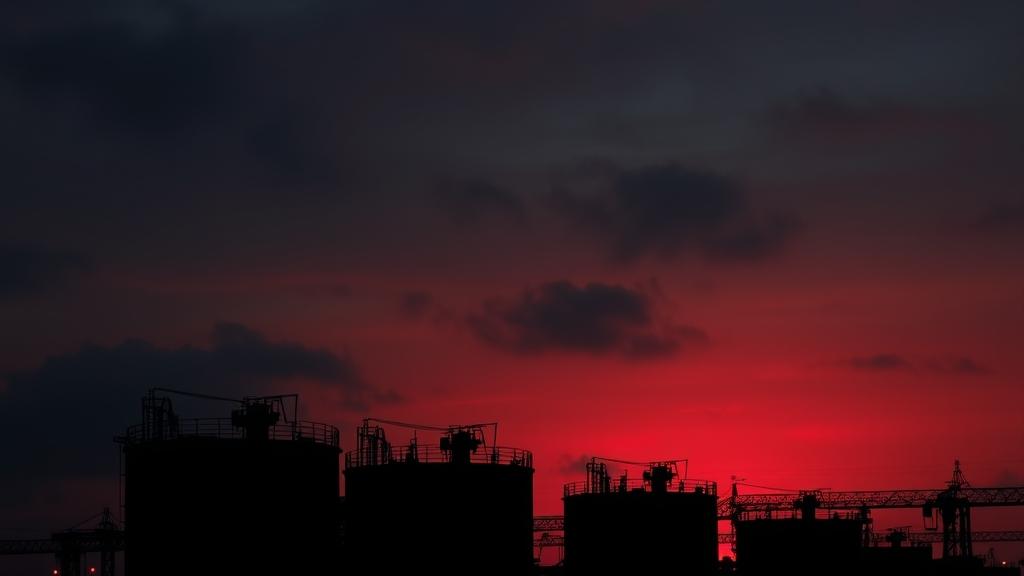
The Persian Gulf is witnessing a surge in tanker attacks, with over 119 vessels reporting damage this year and 77 crew members injured or killed. October alone saw at least 23 attacks near the Strait of Hormuz, including several targeting engine rooms. Two ships sank last week, and more tankers have been damaged or sunk in recent months. The situation has reached alarming proportions, with experts comparing it to an 'Exxon Valdez on steroids.'
Each supertanker carries nearly two million barrels of oil, far exceeding the 257,000 barrels spilled in the 1989 Exxon Valdez disaster. The Gulf's shallow waters and poor circulation mean that spilled oil remains in the environment for extended periods. The recent oil slicks have already forced the UAE to close beaches and restrict fishing activities. In Oman, a tanker that exploded and grounded near a marine reserve has been leaking oil for months, affecting local wildlife.
Beyond environmental concerns, the crisis threatens water security in the Gulf region. Desalination plants, which supply over 90% of drinking water in countries like Qatar and Bahrain, rely on clean seawater. Oil spills could force these plants to shut down, risking water shortages. In 1991, Saddam Hussein's oil dumping crippled Kuwait's desalination infrastructure, and similar scenarios are now possible. The UAE and other Gulf states have minimal water reserves, with some countries having only enough for two days of normal demand.
The economic impact is also severe. Chartering a VLCC for the Middle East to Far East route has surged from $30,000 to over $1.4 million per day, driven by supply shortages and inefficient shipping routes. The cost of freight has risen by over $30 per barrel, adding to the already volatile oil market. With Hormuz under threat, the global oil supply chain is at risk of further disruption, highlighting the interconnected nature of energy and water security in the region.