Australia's headline inflation rate has surged to 4.3%, with underlying inflation at 3.6%, intensifying pressure on the Reserve Bank of Australia (RBA) to raise interest rates again. The RBA has signaled it may need to increase borrowing costs further to bring inflation back to its 2.5% target, citing a deteriorating inflation outlook. The upcoming monetary policy decision on 3 November is expected to include another rate hike, with most economists anticipating a cash rate increase. The RBA's deputy governor, Andrew Hauser, described the inflation figures as 'too high' and warned of a 'nightmare' risk of rising long-term inflation expectations. The current cash rate, at 4.6%, is the highest in 15 years, following four hikes in 2026. Rising costs for essentials like fuel, food, and housing have sparked political debate, with critics blaming high oil prices, government spending, and low productivity. Treasurer Jim Chalmers acknowledged the government's role in inflation but pointed to Middle East conflicts and a recovering private sector as key drivers. Rising CPI figures show that while unemployment is increasing, everyday expenses are climbing, adding to household financial strain. Transport costs have risen 8.7% over the past year, largely due to soaring fuel prices linked to the US and Israel conflict with Iran. Food prices have also increased by 3.2%, and housing costs are up 5.2%. Analysts warn that the RBA has little room to allow inflation expectations to rise further, as the economy slows and household spending weakens. The housing sector, the largest component of the CPI, has seen higher costs for materials and labor, while electricity prices remain elevated. Market analysts suggest inflation is becoming a 'higher-for-longer' issue, with another rate hike expected soon.

October 28, 2026
Australia's Inflation Surpasses 4% as Rate Hike Outlook Intensifies
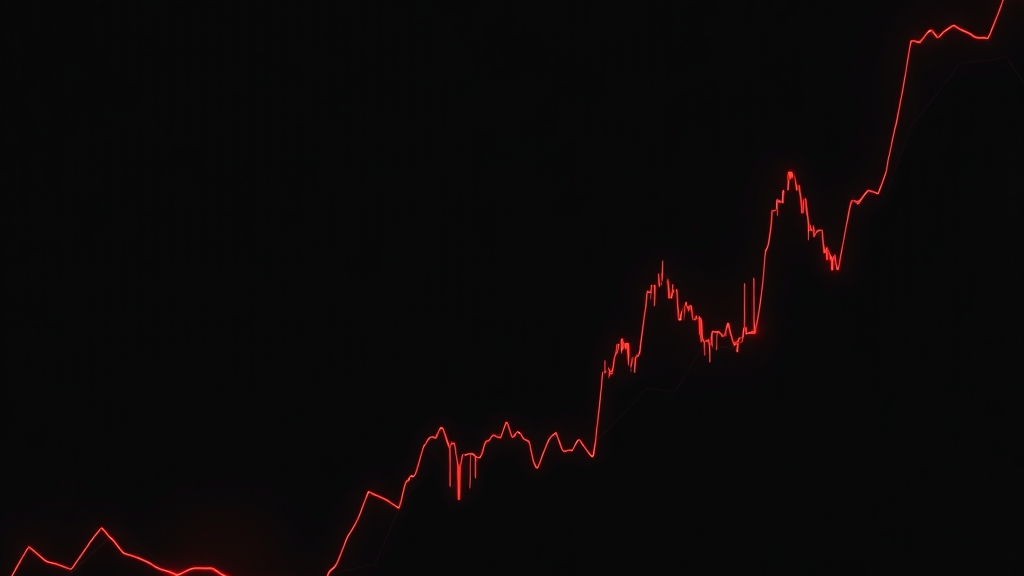
Australia's inflation hits 4.3%, raising fears of a fifth rate hike this year as the RBA eyes further tightening.
Impact
The inflation data heightens pressure on the RBA to maintain rate hikes, potentially further tightening financial conditions and increasing cost-of-living pressures.