
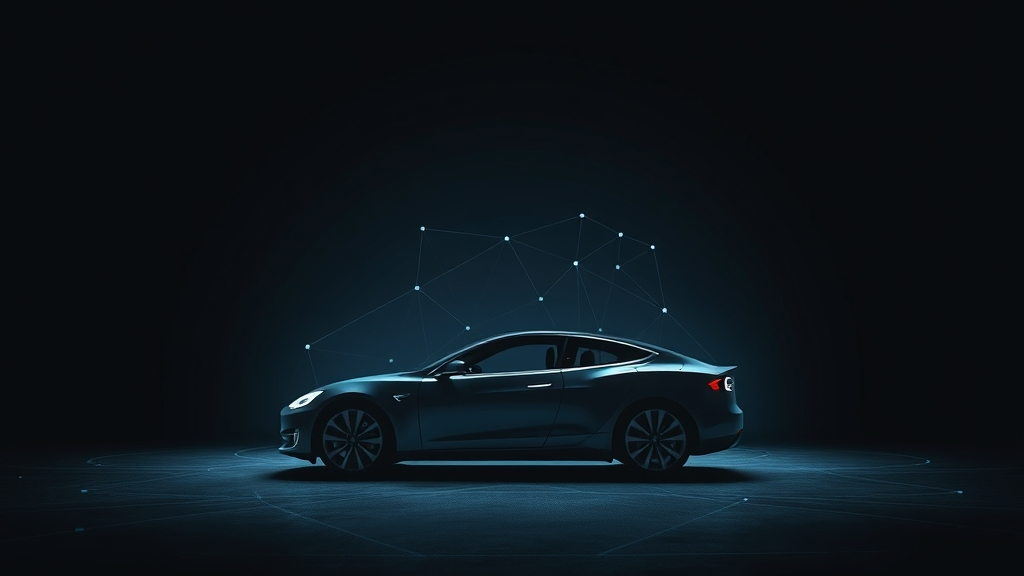
Tesla's latest Roadster prototype has made headlines after a dramatic demonstration that included barrel rolls and rapid acceleration. The event, held at SpaceX's McGregor facility, featured a remotely operated vehicle equipped with custom rocket thrusters. The demonstration highlighted the car's ability to achieve 0-60 mph in under one second, with a focus on its advanced aerodynamics and multi-mode suction system. While the vehicle's flying capabilities remain limited, the performance showcased has generated significant buzz in the automotive and aerospace sectors.
The Roadster's unveiling was framed by Elon Musk as the 'greatest product demo of all time,' with the event drawing global attention. Despite previous delays, the Roadster's production is now scheduled for 2028, reflecting the challenges of bringing such an ambitious project to market. The demonstration also included a nod to pop culture, with the timing of the event referencing the iconic 'Back to the Future' film. This blend of innovation and nostalgia has further fueled public interest in the vehicle's future potential.
The FAA's decision to restrict airspace around the McGregor site for 16 days underscores the significance of the event. The closure, which includes a 5,000-foot altitude limit within 1.5 nautical miles, highlights the regulatory scrutiny surrounding such high-profile demonstrations. Analysts have noted that the Roadster's capabilities, while impressive, are still in the experimental phase. The vehicle's use of SpaceX's cold-gas thrusters suggests a focus on controlled flight rather than full autonomy, aligning with current regulatory and technological constraints.
In addition to the Roadster's demonstration, discussions around a potential Tesla-SpaceX merger have intensified. Barclays analyst Dan Levy has suggested that a merger is increasingly likely, citing growing collaboration between the two companies. Musk has also hinted at the potential for such a merger, emphasizing the synergies between Tesla's electric vehicle technology and SpaceX's aerospace expertise. The Roadster's demonstration may serve as a catalyst for further integration between the two firms, potentially reshaping the automotive and aerospace industries.
Despite the excitement surrounding the Roadster's capabilities, the vehicle's production timeline remains uncertain. The 2028 release date reflects the complexities of scaling such an advanced prototype into a mass-market product. However, the demonstration has provided a glimpse into the future of transportation, where vehicles may soon combine road and air mobility. As the automotive industry continues to evolve, the Roadster's performance could set a new benchmark for innovation in both electric vehicles and aerospace technology.