Labor disputes at key copper mines in Chile and Peru are threatening to exacerbate an already tight global supply situation. Workers at BHP’s Escondida, the world’s largest copper mine, have announced a strike following failed negotiations, while similar actions have disrupted operations at Antofagasta’s Centinela. These strikes come as governments in the Andes push for higher copper production to meet rising global demand. S&P Global forecasts that copper demand will increase from 28 million metric tons in 2025 to 42 million tons by 2040, driven largely by the expansion of AI data centers and defense sectors. However, supply is expected to lag, with projections indicating a potential shortfall of 10 million tons by 2040. The IEA also highlights a 25% gap between current supply and projected needs by 2035, down from a 30% gap in previous estimates. Copper is essential for grids, electric vehicles, and renewable energy infrastructure, making supply disruptions far-reaching. BloombergNEF warns that a tight market could lead to cost inflation or delays in electrification projects. Meanwhile, Chile’s copper output fell 12.8% in August, the lowest since 2011, and a landslide at Codelco’s El Teniente mine further disrupted operations. El Niño weather patterns could worsen conditions in the region. In Argentina, the Vicuña mine, a joint venture between BHP and Lundin Mining, faces regulatory and environmental hurdles as it aims to restart production after a five-year hiatus.

October 14, 2026
Copper Shortages Threaten Global Supply Amid Labor Disputes
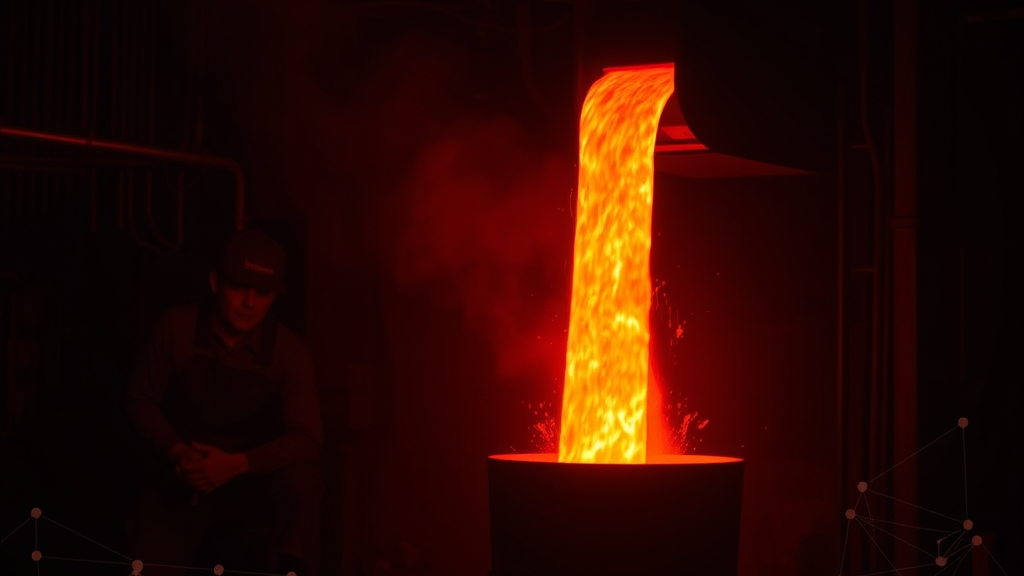
Strikes at major South American copper mines disrupt supply as demand surges.
Impact
Supply constraints and labor disruptions are likely to keep copper prices elevated, affecting industries reliant on the metal.